
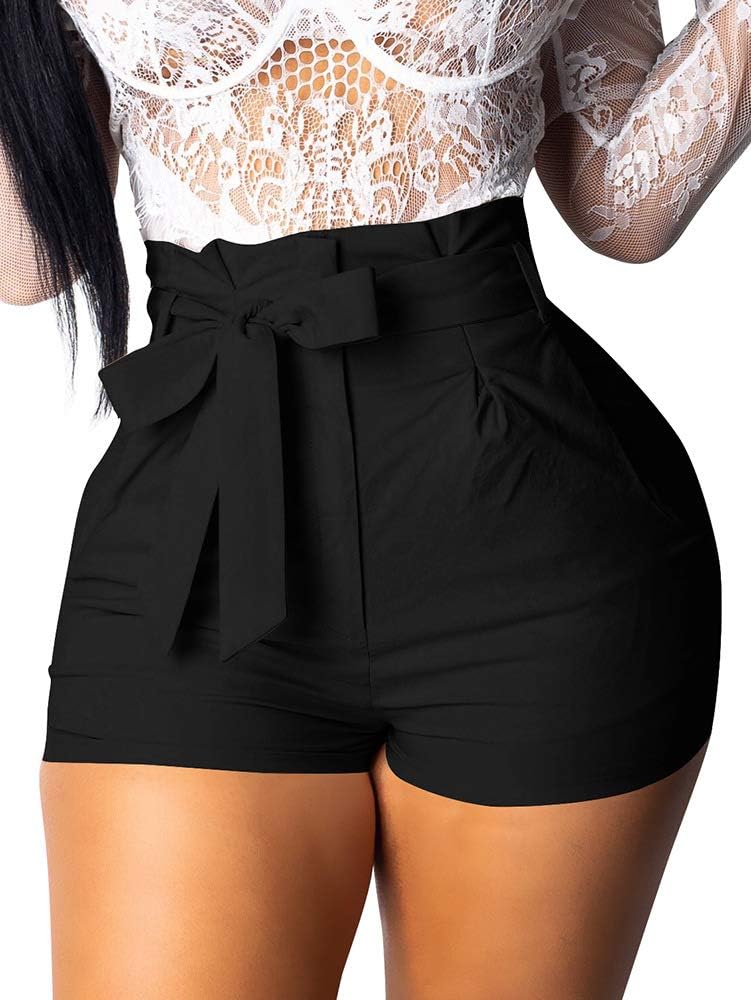
Night notes · Kit notes · 3 min read
Cutting two piece sets rompers and jumpsuits
We cut 11 pieces that leave the single dress behind for sets, rompers, jumpsuits, shorts and skirts. A set splits the line at the waist so the halves can separate later. A one-piece anchors the waist and the legs together so the cloth stays anchored through movement.
How the waist seam behaves in sets
A two piece set breaks the garment across the midsection. The crop top ends at its own bottom hem and the skirt or shorts rise to a separate waistband. This gap gives the midsection room to breathe on a hot evening. It also allows the top and the bottom to be worn apart with other garments later in the week. The tension sits on two distinct bands instead of one continuous line of stretch cloth. You pull the skirt waist to where you want it to rest, and the top stays anchored by its own hem band below the bust.
One piece garments and anchored hemlines
A jumpsuit or a romper builds the waist directly into the rise of the leg. Because the torso connects to the shorts or trousers, the bottom half cannot slide downward or twist sideways when you walk. A dancer does not have to reach down to tug a hem back into place after a turn. The vertical pull of the garment holds the neckline and the leg openings in a fixed relationship. Stretch velvet or knit wraps the body as a single sheath, keeping the back zip centered and the crotch seam aligned with the stride.
Honest limits on the cutting table
Each pattern choice carries a real trade-off once you leave the house. A jumpsuit or romper requires you to unzip the full back seam whenever you step into a bathroom stall, which adds time in a line. A two piece set avoids that delay completely. But a set brings a different maintenance rule. If you wash the top in a mesh bag and wear the skirt through three washings alone, the knit will fade unevenly. The two halves will stop matching under direct lighting unless you treat them as one piece in the laundry.
Necklines and ruching across split garments
We use the same necklines on our sets and jumpsuits that we cut for our mini dresses. You will find strapless tops with silicone bands, long sleeves in stretch knit, and ruched side seams that gather excess cloth along the ribs or hips. Ruching serves a practical purpose on a jumpsuit by masking the tension lines around the waist seam. On a set, ruching along the skirt side seams lets you adjust the vertical drape without pulling on the neckline above. The cloth gathers where the pattern maker placed the internal stitch line.
Washing and drying the matched halves
Both the one-piece garments and the two piece sets require a cold wash cycle. Place the pieces inside a mesh bag before dropping them in the drum to protect the back zip and the hems from snagging on other hardware. Turn the stretch velvet or knit inside out so the face of the cloth does not rub against the washer walls. Lay the garment flat on a drying rack overnight rather than hanging it by the shoulders. Wet knit stretches under its own weight, which distorts the crotch rise and the waist.
Choosing between one piece and two
Pick a two piece set when you want airflow across the waist and the option to split the pieces later. Pick a jumpsuit or romper when you plan to dance and need a hem that will not creep. Wash both halves of a set together on cold so the cloth ages as a single unit.
Cut for this note
Four pieces from the shorts, skirts and one-pieces section, most rated first.


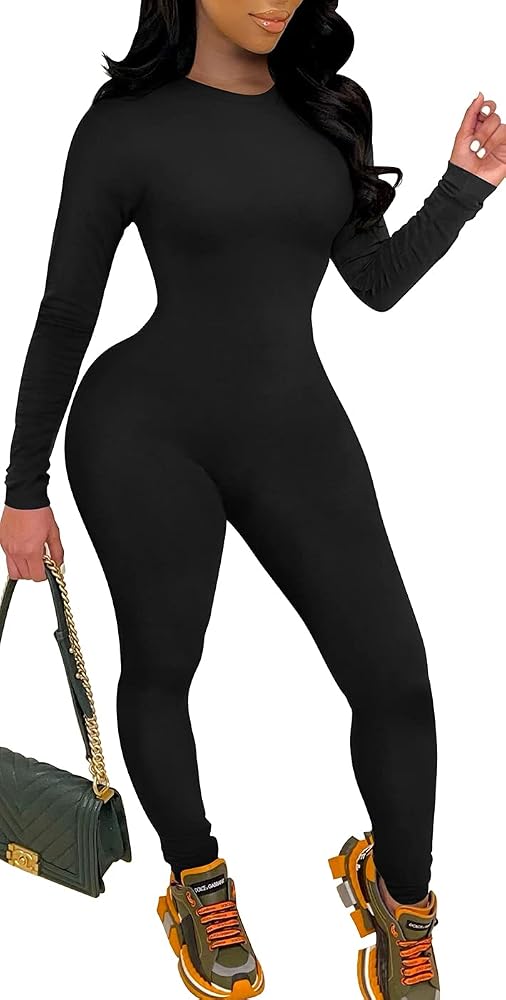
A full-length black jumpsuit cut close through the legs and arms in a soft, stretch-knit blend.
877 ratings
$29.99last seen