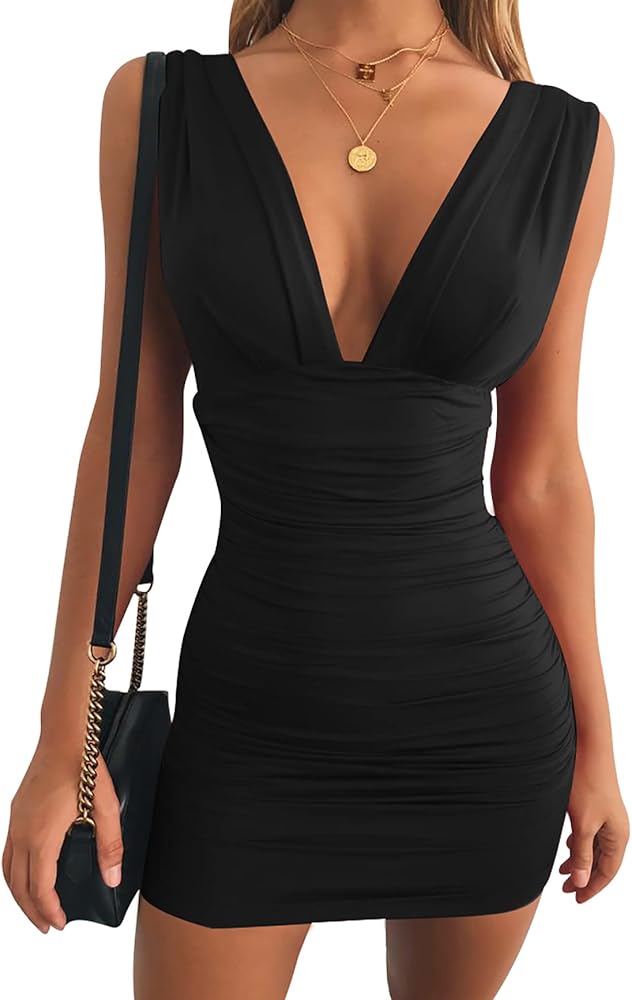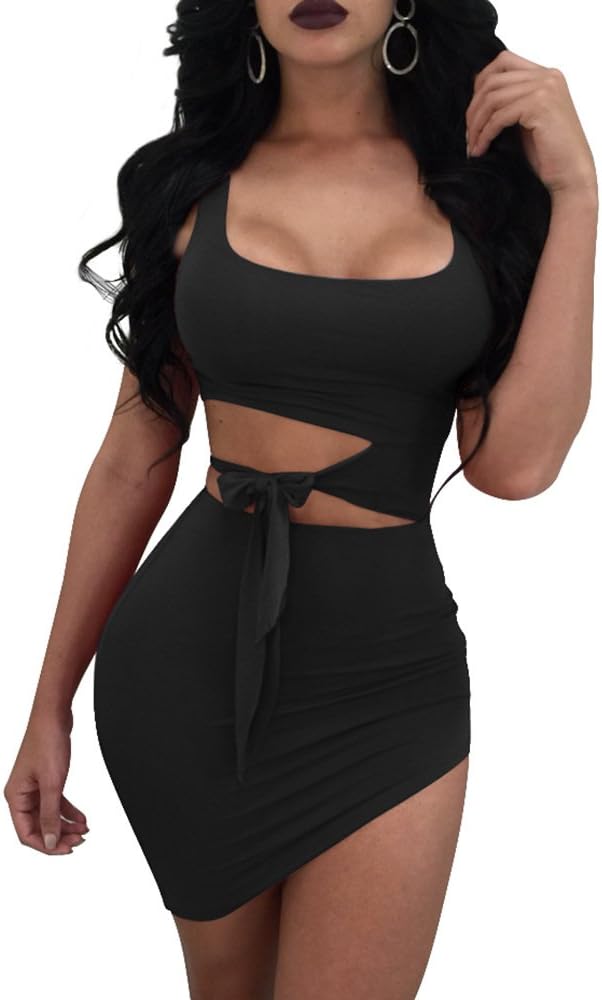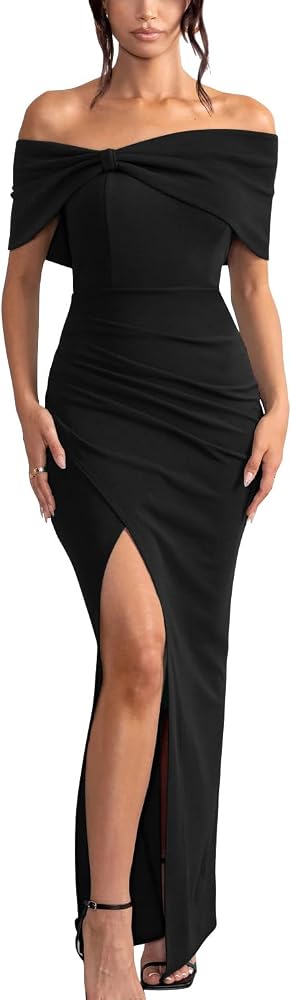

A square neck tank mini dress cut close through the body in a breathable polyester and spandex knit.
8,363 ratings
$14.99last seen
Night notes · Cutting notes · 3 min read
When sleeves come off a bodycon dress, the load path shifts down the torso. We cut strapless tops, halters, and tanks across our mini range. Here is what keeps each front edge in place, how the shoulder joints differ, and what you trade off between cuts.
A strapless mini has no internal boning or underwire to prop it up. The garment stays in place because the stretch knit grips the torso along its entire run from the top edge down past the hips. That tension works only if the top band sits flush against the skin without puckering. If the upper edge folds outward or gaps away from the chest, the knit loses surface friction and will slip downward as you walk. Check that the top seam hugs the upper bust line directly. A strapless cut asks for an occasional pull upward during wear, which is the basic trade for leaving both shoulders open.
A halter mini bypasses the shoulders and hangs the front panel from the back of the neck. This leaves the shoulder blades and arms bare while anchoring the bust section securely. Some of our halter cuts use fixed loop bands, while others use self fabric ties that you knot behind the nape. With a tie neck, you control how high the front neckline sits on the chest by adjusting knot tension. Check the tie knot before stepping out. If you pull it too tight, the fabric bunches at the throat; if you tie it too loose, the front dips and the underarm seams fall slack.
Tank necklines provide two vertical anchors across the shoulders. The bands run straight over the trapezius muscles down to the back seam, spreading the weight of the skirt like a standard top. You do not have to think about the bust line dropping or shifting over the course of a long party. The garment rests on the skeletal frame instead of relying solely on surface friction against the ribs. The trade off is visible shoulder coverage, which limits your choice of undergarments compared to an open shoulder style. Look at the armhole curve to verify that the binding sits flat against the side bust.
Try the piece on and test three specific points at the mirror. First, look at the top edge seam to confirm it lies flat without rolling or sagging. Second, test the bra line you plan to use. A strapless bodycon requires a strapless undergarment or self adhesive cups, while a halter requires an open back solution so straps do not show across the nape. Third, check the underarm opening. The side seam should rest snug against the torso without cutting into the armpit or gapping open when you move your arms forward. Walk around the room to see how the fabric responds.
A stretched out neckline cannot hold tension against the body. Wash these dresses in cold water inside a mesh bag to prevent the shoulder straps or upper elastic bands from catching on other items in the drum. Harsh tumbling pulls at the neck edge and weakens the recovery of the stretch knit. Skip the heated dryer entirely. Lay the garment flat on a clean drying rack out of direct heat so the knit dries in its natural resting shape. Hanging a damp strapless or halter dress by its neck edge stretches out the top binding before you even put it on.
Pick a neckline based on how you want the dress supported. A strapless mini offers bare shoulders but requires knit friction to stay up. A halter secures the front to the neck, while a tank spreads the load across the shoulders without shifting.
Four pieces from the sleeveless and strapless minis section, most rated first.