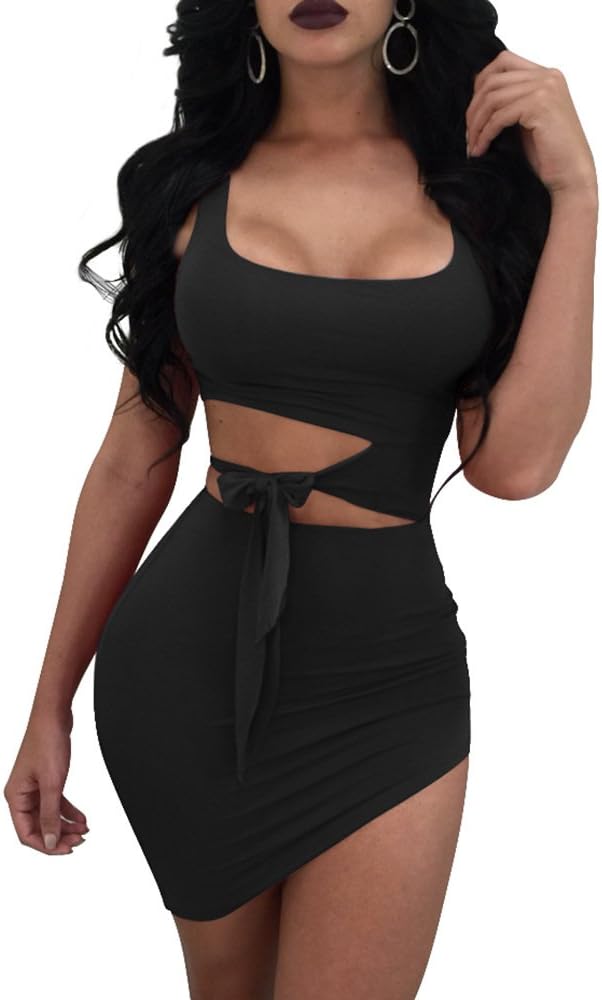

A square neck tank mini dress cut close through the body in a breathable polyester and spandex knit.
8,363 ratings
$14.99last seen
Night notes · Seam notes · 3 min read
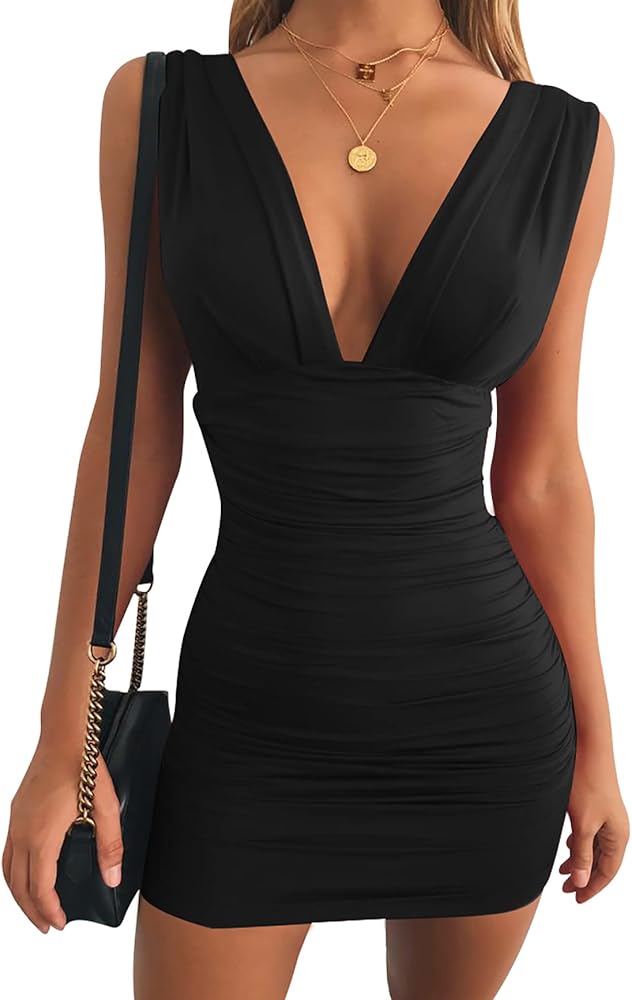
Ruching takes extra cloth and draws it down along a seam line with small gathers. On a bodycon dress cut from stretch knit or velvet, this structural gather sets soft folds into the face of the garment so the surface does not strain against motion.
Ruching is a mechanical choice on the cutting table. We cut the pattern piece longer than the finished side seam, then draw that extra cloth down into repeated gathers before closing the seam. The panel holds excess yardage in soft horizontal ripples instead of stretching tight between two points. When the dress goes on, the knit does not fight to lie flat across every contour. The folds are already part of the cut, built directly into the balance of the panel. That gives the surface room to shift when the wearer walks or sits down.
We set ruching along side seams, down center back channels, across wrap fronts, and through twist cuts. A side seam gather distributes folds straight across the torso from hip to rib. A wrap front gathers cloth toward an asymmetric anchor point, letting the cross panel overlap with built-in slack. On twist front dresses, the gathers radiate out from the knot where two pattern pieces lock together. Each placement anchors the extra length to a stable seam line so the gathers do not drift or bunch into one heavy knot during wear.
Check the spacing of the gathers along the seam. The folds should sit at even intervals from the top of the side seam down to the hem edge. Look at the inside construction where the seam allowance meets the gathered knit. The underlying seam must lie flat against the skin without twisting or roping. If the stitching tension was off during assembly, one side of the seam will puck or pull shorter than its twin. Lay the dress flat to confirm both side seams measure the exact same length before putting it on.
The trade for that extra give is bulk along the seam lines. A ruched dress contains more cloth by area than a flat bodycon of the same length, which means it holds more water after a wash cycle. It dries slower on the rack. The dense clusters of gathers at the hips and waist take longer to release moisture than the single-layer chest or sleeve panels. Give a ruched knit extra time on a flat drying rack so the damp seams do not stretch out the shoulder straps under their own weight.
Keep a hot iron away from gathered stitch lines. Pressing directly onto ruched seams crushes the folds flat and leaves shiny press marks on stretch velvet or knit fabric. If the flat sections between the gathers need smoothing, use a cool iron from the reverse side of the garment. Do not drag the iron plate across the seam channels. Let steam release wrinkles from the folds without pressing down on the thread work, or turn the dress inside out and shake the panels straight while the knit is still slightly damp.
Wash ruched dresses inside a mesh bag on a cold cycle to protect the gather threads from snagging. Dry the garment flat so the heavy damp seams do not drag the hem out of shape. Keep heat off the gathered rows to preserve the original fold depth.
Four pieces from the sleeveless and strapless minis section, most rated first.