
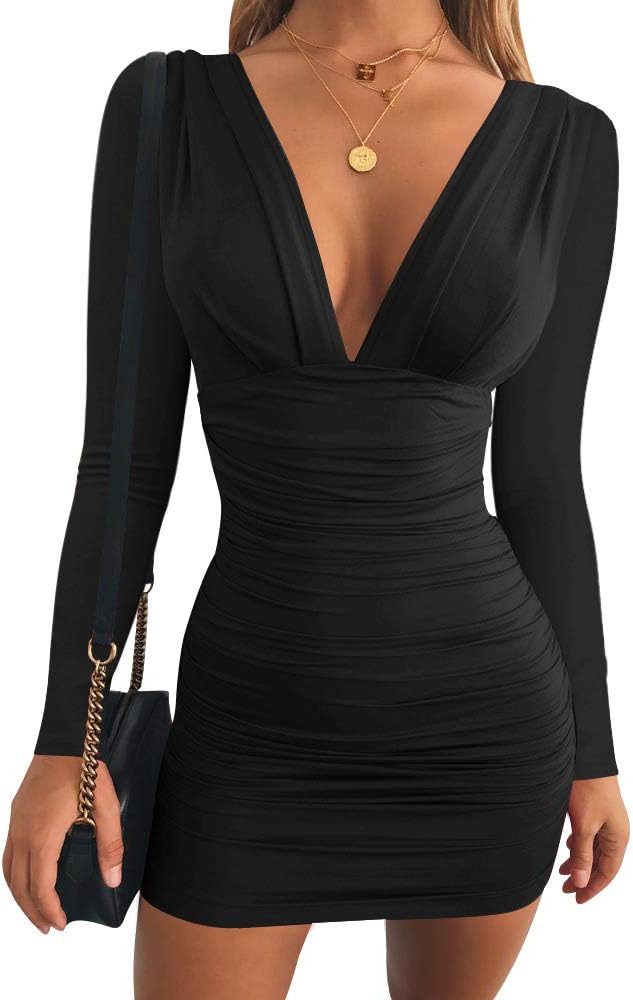
 Wrap front
A deep V neck and fitted long sleeves balance the mini hem on this ruched black bodycon dress in stretch knit.
9,356 ratings
$31.99last seen
Night notes · Fabric notes · 3 min read
We cut stretch velvet across the table when the room cools down. A cut pile over a stretch knit base changes how light hits the panel, while long sleeves balance a high hemline. Here is how the construction behaves on the body and through the wash.
Velvet starts on a knit ground with an upright cut pile standing off the surface. Light hits that pile from two angles. When the nap runs down the front panel, the tone looks deep and saturated as you look down the body. Brush the pile upward with your hand and the cloth looks brighter. We cut panels with the nap running the same way across the front, the back and both sleeves. If one sleeve was flipped, it would read as a mismatched shade under indoor lighting. The stretch in the base lets the dress pull over shoulders without splitting seams.
A long sleeve mini balances cover against open leg. The upright pile traps air close to the knit base, so the cloth feels heavier than a standard flat knit jersey. That extra weight helps during winter parties where rooms shift between cold drafts and crowded dance floors. A short hem lets the legs move while the sleeve covers the arm down to the wrist seam. The neckline stays set against the collarbone or drops into a square cut. Because the cloth has substance, the edge of the hem hangs straight instead of curling upward during wear.
Velvet trades easy packing for surface depth. Sit on a bench for hours and the pile flattens under pressure. It also holds creases if folded tightly into a drawer. Never press an iron onto the face of this cloth. A hot soleplate crushes the upright strands permanently and leaves a shiny patch that cannot be undone. Steam is the only way to lift the nap back up. Hang the garment on a wide hanger and let steam drift through the reverse side of the knit ground. The pile resets as the moisture dries away.
A rigid woven velvet will not work for a bodycon cut without dozens of darts. We use a knit ground that yields across the bust, hips and waist. When you sit or step, the base expands and the pile separates slightly, then closes back up when you stand. The side seams carry narrow overlock stitching that stretches with the cloth rather than snapping under tension. That flexibility keeps the zip flat against the spine instead of buckling outward. You get a close line down the torso without the cloth binding across the shoulder blades.
Care determines how many seasons the nap survives. Turn the dress inside out before it touches water. This protects the cut face from rubbing against the washing machine drum or other garments. Place the piece in a mesh bag and run a cold wash on a gentle cycle. Hot water weakens the stretch base over time. After the cycle ends, pull the dress out and lay it flat on a drying rack. Never toss stretch velvet into a hot dryer, which shrinks the ground and frizzes the cut pile at the cuffs and hem.
Store these dresses on padded hangers rather than folding them into bins. The knit ground holds its shape while the pile stays upright and ready for cold weather wear. When wrinkles form, steam the inside of the garment and let it air out before the next party.
Four pieces from the long sleeve minis section, most rated first.
Wrap front9,356 ratings
$31.99last seen
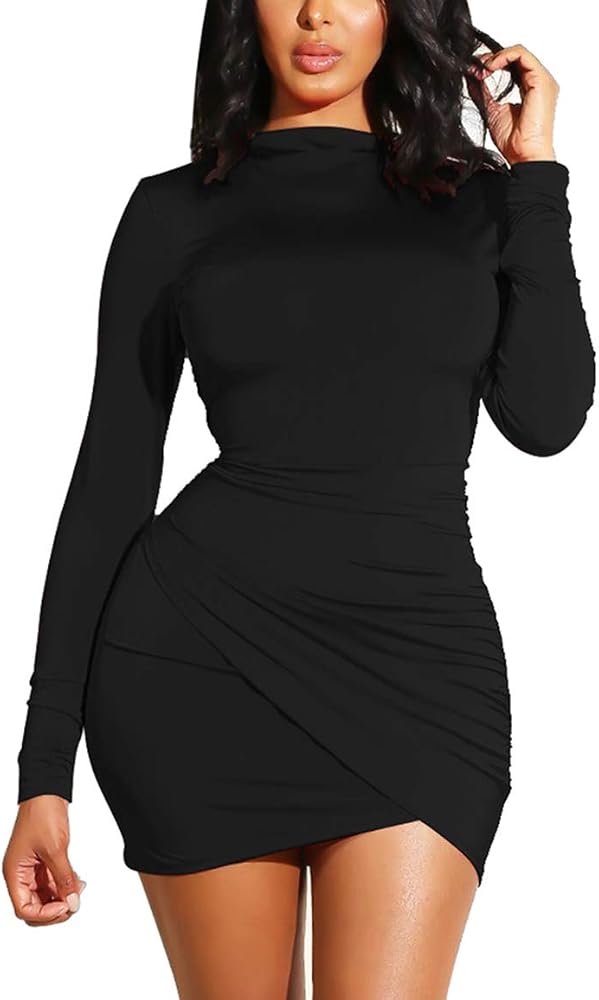 Ruched
5,782 ratings
$27.99last seen
 Stretch velvet
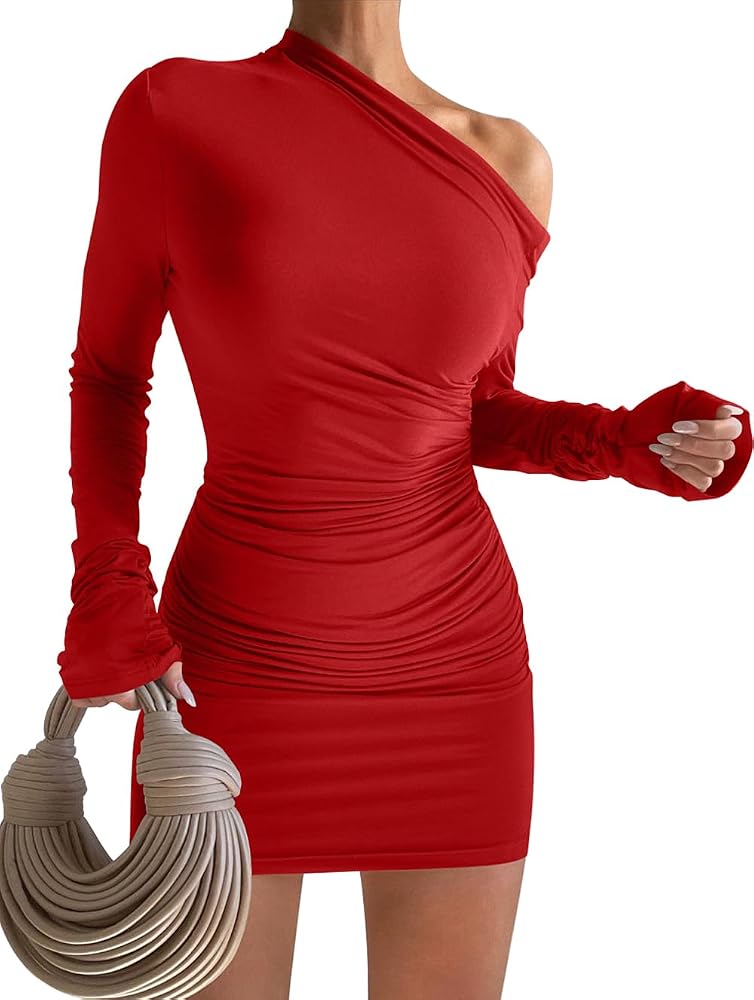 Stretch velvet